Two facts that do not sit comfortably together.
Generative AI is being adopted faster than personal computers were, and faster than the internet was. Measured productivity gains across the economy are still modest.
Both are true. Kevin J. Boudreau, writing in MIT Sloan Management Review on 26 August, takes that gap as his subject rather than as an embarrassment to explain away, and the answer he reaches is the most useful thing I have read for a manager who is being told, weekly, that they are already late.
The gap is the finding
Most commentary handles this by picking a side. Either the productivity numbers are lagging indicators and the gains are coming, or the whole thing is overrated and the numbers prove it.
Boudreau does neither. He takes both facts at face value and asks what state of the world produces them together, which is a more interesting question and has a better answer.
Nothing has settled yet
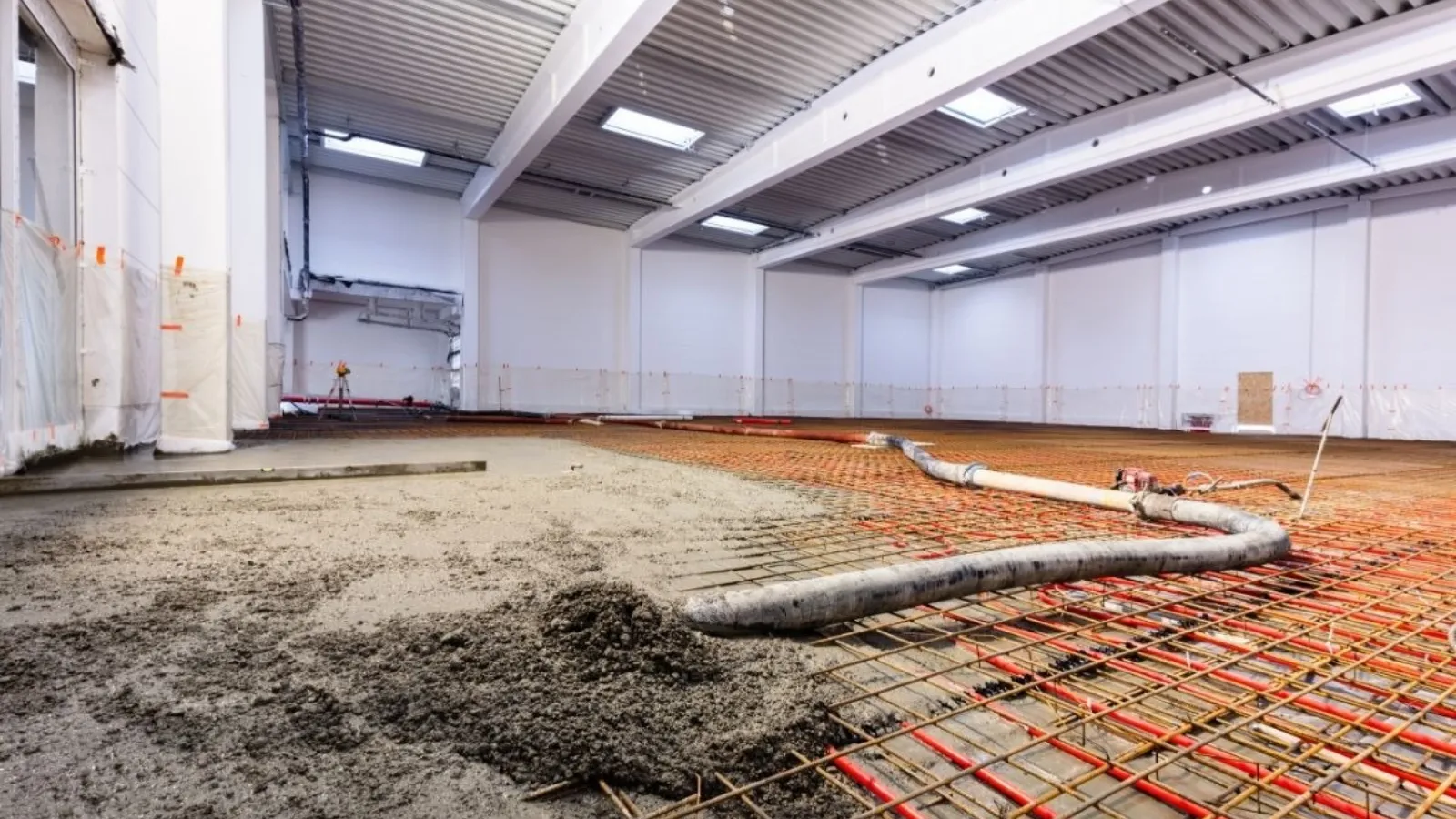
His explanation is that AI has not yet been platformed.
The technology works. What has not arrived is the architecture around it: the technical standards, the industry structures, the institutional arrangements that eventually make a technology something you build on rather than something you keep re-deciding about.
Electricity took decades to become a socket in a wall. Before that, adopting it meant choices about generation, current and wiring that later stopped being choices at all. The internet went through the same passage. The value did not arrive with the capability. It arrived when the capability stopped moving.
“Generative AI is moving fast, but the surrounding architecture needed for economywide transformation hasn’t settled. Companies that understand the difference will know where to invest and where to hold back.”
Anything you build on top of this right now is built on ground that is still moving. That explains both facts at once. Adoption is fast because the capability is real and cheap to try. Returns are modest because a great deal of what gets built has to be rebuilt.
This is not permission to wait
I want to be careful here, because “the architecture has not settled” is exactly the sentence a certain kind of manager has been waiting two years to hear.
It is not an argument for doing nothing. Boudreau’s rules are all about spending, not about abstaining. The distinction he draws is between things worth committing to now and things worth holding back on, and the second category is small.
Waiting for it to settle is also a losing move on its own terms. The organisations that will use the settled version well are the ones that spent the unsettled years learning how it behaves. You cannot buy that in eighteen months when the standards arrive.
The four rules
His advice for a manager deciding where to spend comes down to four things.
Learn faster than you commit. Keep the ratio of experiments to commitments high. An experiment you can stop next month costs you almost nothing when the ground shifts. A three-year contract costs you the three years.
Build assets that survive a change in architecture. Ask of anything you are about to fund: if the model underneath this were replaced next year, what would still be worth having? A well structured set of your own documents survives. A workflow welded to one vendor’s particular way of doing things does not.
Invest in complements rather than raw capability. The model is the part that gets better on its own, for free, without you. The things around it are the parts that do not: the data you feed it, the process it sits inside, the review step that catches its mistakes. Spending on raw capability is buying the one component that improves whether or not you pay.
Build organisational capability that no shared model can replicate. More on this one, because it is the whole argument.
The fourth rule is the business case
Everyone is renting the same models.
Your competitor has access to the identical capability at the identical price, and if they do not today they will next quarter. Whatever advantage the model itself confers, it confers on both of you. That is what a shared model means.
What cannot be rented is a team that knows which questions are worth asking, recognises an answer that is subtly wrong, and understands the business well enough to tell the difference between a plausible output and a correct one.
That capability is built rather than bought, it takes time, and it belongs to you afterwards. It is also the one thing on the list that gets more valuable as the models get better, because the better the output looks, the more it matters that somebody can tell.
If you want a single test for whether an AI investment is worth making, it is this one. Does it leave you with a capability, or does it leave you with a subscription?
What this is and is not
Boudreau is arguing, not reporting a study. There is no dataset here and no experiment. It is a well-reasoned position from a management journal, and it should be weighed as an argument rather than cited as evidence.
The piece is also part paywalled, so what I have described is what is readable without a subscription. If the framing is useful to you, the full article is worth the access.
Where this leaves the week
This week I have written about a median company spending $11.95 per person a year, a business launching a website with two pages deliberately switched off, half a workforce not admitting what they use, and a company spending $40 million to discover the money was in its people and its own material.
There is one thread through all four. Almost everything that matters in this is not the technology.
So the question to end on is Boudreau’s, and it is the only one worth asking before you sign anything: which of your current AI commitments would survive the tools changing underneath them?
If the answer is most of them, you are spending well. If the answer is none of them, you have not bought a capability. You have bought a subscription with a longer notice period.
Source: Kevin J. Boudreau, “Building on AI’s Unfinished Foundation”, MIT Sloan Management Review, 26 August 2026. Part paywalled.